
 WhatsApp Us (24/7)


 Lab Report


 January 12, 2022
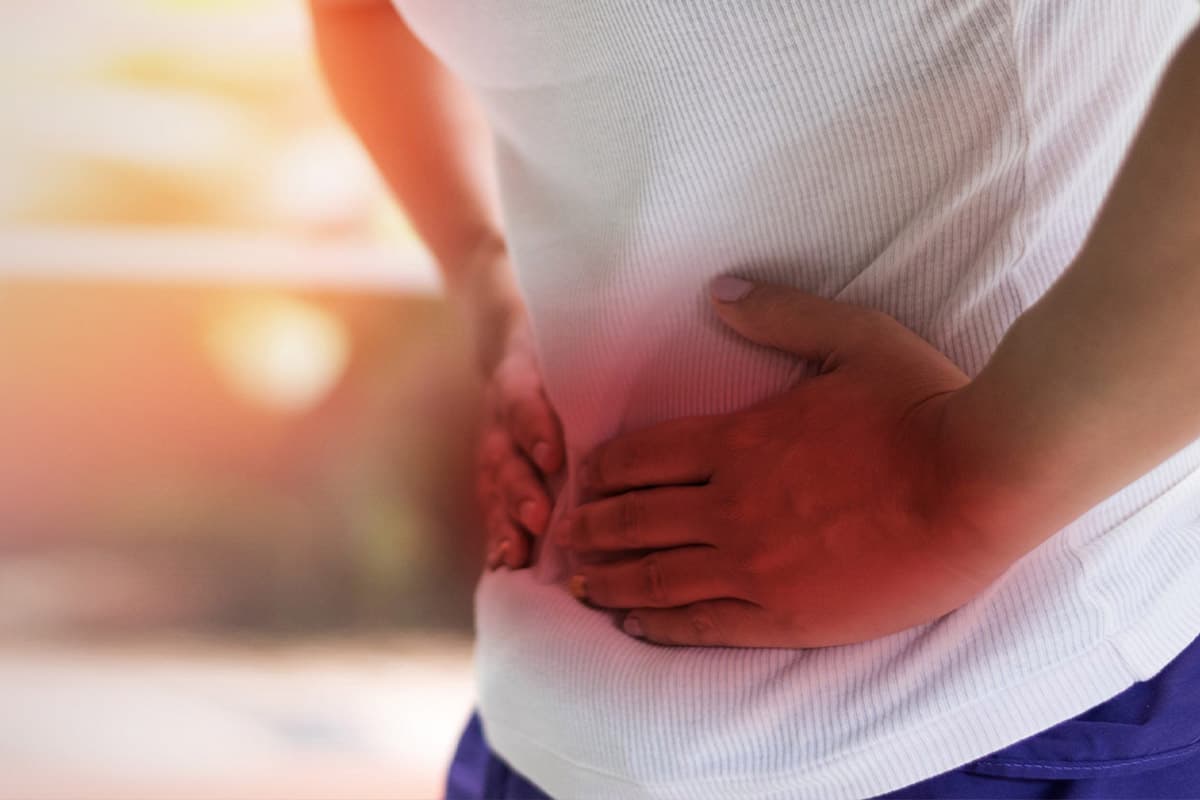
A hernia occurs when an internal organ or tissue pushes through a weak area in the surrounding muscle or connective tissue that normally holds it in place. Hernias commonly develop in the abdominal region, especially between the chest and hips, but they may also appear in the groin or upper thigh area.
In many cases, hernias gradually increase in size over time and may cause discomfort, swelling, or pain, especially during activities such as lifting heavy objects, coughing, bending, or standing for long periods.
Early diagnosis and proper treatment are important to prevent complications and improve recovery outcomes.
What is a Hernia?
A herniadevelops when a portion of an organ, such as the intestine, protrudes through a weakened area of the abdominal wall or surrounding tissues.
The condition may appear as a visible bulge that becomes more noticeable while standing, coughing, or straining.
Common Types of Hernia
Several types of hernias can occur depending on the affected area.
Inguinal Hernia
This is one of the most common types of hernia and occurs in the groin region when tissue pushes through a weak area in the lower abdominal wall.
Femoral Hernia
Femoral hernias occur in the upper thigh or groin area and are more common in women.
Umbilical Hernia
This type develops near the belly button when tissue pushes through weakened abdominal muscles.
Incisional Hernia
Incisional hernias may develop at the site of a previous surgical incision due to weakened tissue.
Symptoms of Hernia
Symptoms may vary depending on the type and severity of the hernia.
Common symptoms include:
- Visible swelling or bulge
- Pain or discomfort while lifting or bending
- Heaviness in the abdomen or groin
- Burning or aching sensation
- Weakness or pressure in the affected area
- Pain during coughing or physical activity
Some hernias may initially cause minimal symptoms but can worsen over time.
When is Hernia Surgery Needed?
If a hernia continues to grow larger, causes pain, or interferes with daily activities, surgery may be recommended.
Delaying treatment may increase the risk of complications such as tissue obstruction or strangulation, where blood supply to the affected tissue becomes compromised.
Hernia Treatment Options
Hernias are usually treated through surgical repair. The goal of surgery is to push the protruding tissue back into place and strengthen the weakened area.
In many cases, the weakened abdominal wall is reinforced using a surgical mesh or net to provide additional support and reduce the risk of recurrence.
Laparoscopic Hernia Surgery
Laparoscopic surgery is a minimally invasive procedure used to repair hernias using small incisions, a tiny camera, and specialized surgical instruments.
During the procedure, surgeons use a laparoscope to view the internal area and repair the hernia with precision.
Benefits of Laparoscopic Hernia Surgery
Compared to traditional open surgery, laparoscopic surgery offers several advantages:
- Smaller incisions
- Less pain after surgery
- Faster recovery
- Reduced damage to surrounding tissues
- Lower risk of infection
- Minimal scarring
- Shorter hospital stay
Many patients are able to resume light activities sooner after laparoscopic procedures.
Open Hernia Surgery
In open surgery, the surgeon makes a larger incision near the hernia site to repair the weakened tissue.
Although open surgery may still be performed in certain complex cases, minimally invasive laparoscopic techniques are now commonly preferred due to their faster recovery and reduced post-operative discomfort.
Recovery After Hernia Surgery
Recovery time may vary depending on the type of surgery performed and the patient’s overall health condition.
Recovery After Laparoscopic Surgery
Patients who undergo laparoscopic hernia repair are often able to move around and perform light activities within a short period after surgery, sometimes even the next day under medical guidance.
Recovery Precautions
During recovery, patients are usually advised to:
- Avoid lifting heavy objects
- Avoid strenuous physical activity
- Follow wound care instructions carefully
- Attend follow-up appointments
- Maintain a healthy diet and hydration
Following post-surgical instructions is important for proper healing and preventing recurrence.
Tips to Reduce the Risk of Hernia
Certain lifestyle habits may help reduce strain on abdominal muscles and lower the risk of developing a hernia.
Maintain a Healthy Weight
Excess body weight may increase pressure on abdominal muscles.
Avoid Heavy Lifting
Improper lifting techniques may strain abdominal tissues.
Eat a Fiber-Rich Diet
Preventing constipation may reduce pressure caused by straining during bowel movements.
Stop Smoking
Chronic coughing caused by smoking may increase abdominal pressure and worsen hernias.
Strengthen Core Muscles Carefully
Safe exercises under professional guidance may help support abdominal strength.
When Should You Consult a Doctor?
Seek medical advice if you experience:
- A visible bulge in the abdomen or groin
- Persistent pain or discomfort
- Swelling that increases in size
- Difficulty performing daily activities
- Nausea, vomiting, or severe pain associated with a hernia
Early diagnosis and treatment can help prevent complications and improve surgical outcomes.
At SSB Healthcare, experienced surgeons provide advanced diagnosis and treatment options for hernia management using modern surgical techniques and patient-focused care.
Getting the appropriate medical treatment and care is crucial to avoid any associated medical complications.
To book an appointment, contact us at +91-9540 114 114.
