
 WhatsApp Us (24/7)


 Lab Report


 August 22, 2021
Managing diabetes requires consistent care, healthy lifestyle habits, and regular monitoring of blood sugar levels. Keeping blood glucose levels within the range recommended by your doctor can sometimes be challenging because many daily factors can influence blood sugar levels — sometimes suddenly.
Food choices, physical activity, medications, stress, and illness can all affect how the body regulates glucose. Proper diabetes management is important to reduce the risk of complications affecting the heart, kidneys, nerves, eyes, and overall health.
Understanding how different factors affect blood sugar levels can help individuals with diabetes maintain better control and improve long-term health outcomes.
How Food Affects Blood Sugar Levels
Healthy eating is one of the most important parts of diabetes management. If you have diabetes, it is important to understand how different foods affect your blood sugar levels.
Not only the type of food but also the quantity of food and combination of meals can influence glucose control.
Tips for Healthy Eating in Diabetes
Understand Carbohydrate Intake
Carbohydrates have a direct effect on blood sugar levels. Learning carbohydrate counting and portion control can help maintain better glucose balance.
Eat Balanced Meals
Meals should include a healthy balance of:
- Complex carbohydrates
- Protein
- Healthy fats
- Fiber-rich foods
- Essential vitamins and minerals
Balanced meals may help prevent sudden spikes in blood sugar levels.
Coordinate Meals with Medication
Proper timing of meals and diabetes medications is important for maintaining stable blood sugar levels throughout the day.
Avoid Sugar-Sweetened Beverages
Sugary drinks such as soft drinks, packaged juices, and sweetened beverages can quickly increase blood glucose levels and should be avoided or limited.
Maintain Regular Meal Timings
Eating meals at consistent intervals may help improve blood sugar control and prevent sudden fluctuations.
Importance of Exercise in Diabetes Management
Regular physical activity helps the body use insulin more effectively and allows muscles to utilize glucose for energy.
Exercise also supports weight management, improves heart health, and reduces the risk of complications associated with diabetes.
Tips for Exercising Safely with Diabetes
Discuss an Exercise Plan with Your Doctor
Before starting a new exercise routine, it is important to consult a healthcare professional to choose activities suitable for your health condition.
Maintain a Regular Exercise Schedule
Consistency is important. Regular physical activity can help improve insulin sensitivity and glucose control.
Monitor Blood Sugar Levels
Checking blood sugar levels before and after exercise can help prevent complications such as low blood sugar episodes.
Stay Hydrated
Proper hydration is important during physical activity to support overall body function and glucose balance.
Carry Medical Identification
Wearing a medical identification bracelet or carrying emergency medical information may be helpful during exercise or emergencies.
Role of Medication in Diabetes Control
Sometimes diet and exercise alone may not be enough to manage diabetes effectively. In such cases, oral medications or insulin therapy may be prescribed to help regulate blood sugar levels.
Important Medication Tips
Store Insulin Properly
Insulin should be stored according to medical instructions to maintain its effectiveness.
Report Problems to Your Doctor
If you experience side effects, unusual symptoms, or uncontrolled sugar levels, inform your doctor immediately.
Be Careful with New Medications
Certain medicines can affect blood sugar levels. Always discuss new prescriptions with your healthcare provider.
How Illness Affects Blood Sugar Levels
During illness, the body may produce stress hormones such as cortisol, which can increase blood sugar levels.
Even minor infections or illnesses can affect diabetes management and require close monitoring.
Tips for Managing Diabetes During Illness
Plan Ahead with Your Doctor
Discuss a sick-day management plan with your doctor to understand how to manage blood sugar fluctuations during illness.
Continue Medications as Advised
Do not stop diabetes medications unless instructed by your doctor.
Follow Your Meal Plan
Maintaining proper nutrition during illness is important for blood sugar control and recovery.
Monitor Blood Sugar More Frequently
Frequent monitoring may help detect sudden changes in glucose levels during illness.
Why Regular Monitoring is Important
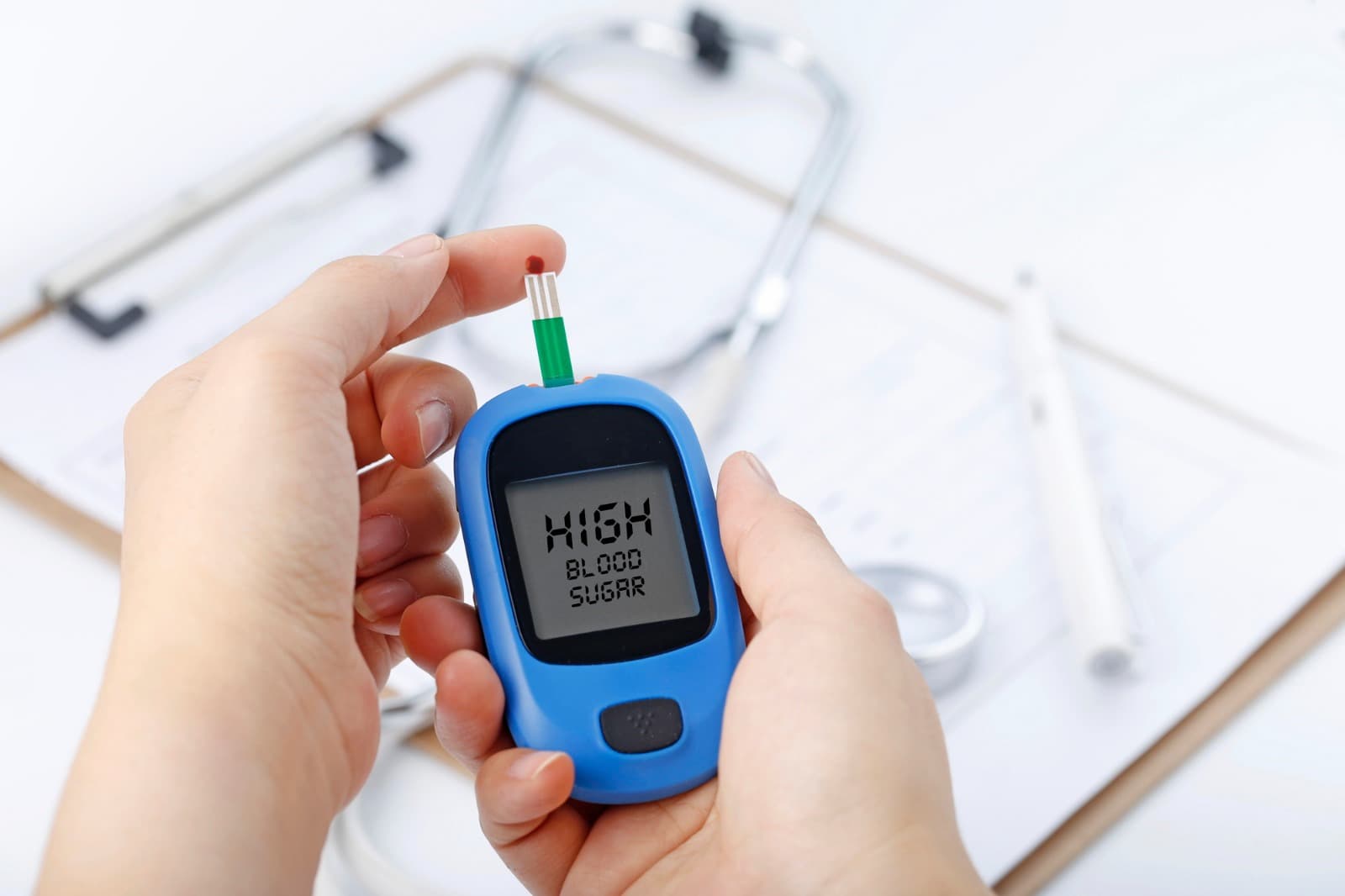
Regular blood sugar monitoring helps identify patterns and allows better decision-making regarding diet, exercise, and medications.
Routine health checkups can also help detect diabetes-related complications early.
Tips for a Healthy Lifestyle with Diabetes
To support better diabetes management:
- Maintain a healthy body weight
- Stay physically active
- Eat a balanced diet
- Get enough sleep
- Manage stress levels
- Avoid smoking and excessive alcohol consumption
- Attend regular medical checkups
Long-term lifestyle changes play an important role in controlling diabetes effectively.
When Should You Consult a Doctor?
Seek medical advice if you experience:
- Frequent high or low blood sugar levels
- Excessive thirst or urination
- Sudden weight changes
- Fatigue or dizziness
- Blurred vision
- Slow wound healing
Early medical care can help prevent serious diabetes-related complications.
At SSB Healthcare, experienced endocrinologists and healthcare professionals provide comprehensive diabetes care, guidance, and personalized treatment plans to help patients manage diabetes effectively.
Getting the appropriate medical treatment and care is crucial to avoid any associated medical complications.
To book an appointment, contact us at +91-9540 114 114.
