
 WhatsApp Us (24/7)


 Lab Report


 June 23, 2021
Laparoscopic surgery is a modern surgical procedure that allows doctors to examine and treat conditions within the abdomen and pelvis without making large incisions in the skin. Also known as keyhole surgery or minimally invasive surgery, laparoscopy is widely used for both diagnosis and treatment because it offers faster recovery, less pain, and smaller scars compared to traditional open surgery.
This procedure has become increasingly popular in the treatment of several abdominal and gynaecological conditions.
What is Laparoscopy Surgery?
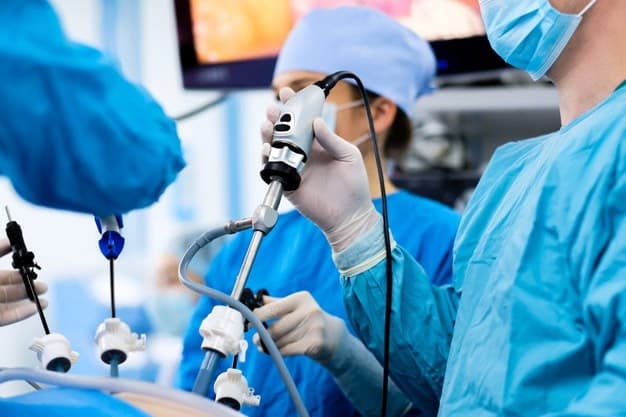
Laparoscopy is a minimally invasive surgical procedure performed using a thin instrument called a laparoscope. The laparoscope contains a small camera and light that help surgeons view the inside of the abdomen on a monitor.
During the procedure, small incisions are made in the abdomen through which surgical instruments and the laparoscope are inserted. This allows surgeons to perform operations without the need for large surgical cuts.
Laparoscopy surgery is commonly used for diagnosing and treating conditions affecting the stomach, intestines, liver, gallbladder, appendix, reproductive organs, and pelvis.
Common Uses of Laparoscopy Surgery
Laparoscopic surgery is used for many medical conditions and procedures.
Gallbladder Surgery
Laparoscopy is commonly used for gallbladder removal in patients with gallstones or gallbladder disease.
Appendix Removal
Appendicitis can often be treated through a laparoscopic appendectomy.
Hernia Repair
Minimally invasive surgery is used to repair different types of hernias.
Gynecological Procedures
Laparoscopy is widely used to treat conditions such as ovarian cysts, endometriosis, and infertility issues.
Diagnostic Laparoscopy
Doctorsmay use laparoscopy to identify the cause of abdominal pain or pelvic problems.
Benefits of Laparoscopy Surgery
Laparoscopic surgery offers several advantages compared to traditional open surgery.
Smaller Incisions
The procedure requires only small cuts, which reduces visible scarring.
Faster Recovery
Patients usually recover more quickly and return to normal activities sooner.
Less Pain
Smaller incisions generally result in less postoperative pain.
Reduced Risk of Infection
Minimally invasive surgery lowers the risk of infection and excessive bleeding.
Shorter Hospital Stay
Many laparoscopic procedures require shorter hospital stays or may even be performed as day-care surgeries.
Preparation Before Laparoscopy
Before laparoscopic surgery, doctors may recommend blood tests, imaging scans, or physical examinations. Patients are usually advised to avoid eating or drinking for several hours before the procedure.
It is also important to inform the doctor about any medications, allergies, or existing health conditions.
Recovery After Laparoscopy Surgery
Recovery time after laparoscopic surgery is usually shorter than after open surgery. Most patients can resume light activities within a few days, depending on the type of procedure performed.
Doctors may recommend:
Taking prescribed medicationsAvoiding heavy lifting for some timeFollowing dietary instructionsAttending follow-up appointments
Mild discomfort, bloating, or fatigue may occur temporarily after surgery.
Risks of Laparoscopy Surgery
Although laparoscopy is considered safe, some risks may include:
BleedingInfectionInjury to nearby organsReactions to anesthesia
However, serious complications are relatively uncommon when performed by experienced surgeons.
Conclusion
Laparoscopy surgery is an advanced and effective minimally invasive surgical procedure used for diagnosing and treating various abdominal and pelvic conditions. With benefits such as smaller incisions, faster recovery, and reduced pain, laparoscopic surgery has become a preferred option for many patients and surgeons.
If you are experiencing abdominal or pelvic health issues, consulting a medical specialistcan help determine whether laparoscopy surgery is the right treatment option for your condition.
